“The car doesn’t lose value the day you sell it. It loses value every weekend you leave sand baked onto the clear coat.”
Most UAE drivers think about detailing as a cosmetic treat, something you book before Eid or before a road trip to Hatta. The economics tell a different story. In a market where a three-year-old car can lose 40 to 55 percent of its original price, the condition of the paint, cabin and engine bay is one of the few levers you actually control. Fuel prices, interest rates and model demand are set by other people. How your car looks the day a dealer inspects it is set by you.
This article walks through the real budget of owning a car in the UAE, what detailing actually covers, and how consistent care changes the number a buyer or dealer offers you two, three or five years later. The numbers here are conservative and based on typical resale patterns published by industry depreciation research and UAE classified listings.
The real cost of ownership
What you actually spend on a car in the UAE
Take a mid-range SUV bought new at AED 150,000. Over five years, a typical UAE owner spends roughly:
- Fuel: AED 30,000 to 45,000, depending on commute
- Insurance: AED 15,000 to 22,000 across five renewals
- Servicing and tyres: AED 18,000 to 28,000
- Salik, parking and fines: AED 6,000 to 10,000
- Detailing and paint protection: AED 4,000 to 9,000
Detailing is the smallest line item on that list, usually 2 to 4 percent of total running cost. It is also the only one that pushes resale value up rather than down. That asymmetry is where the hidden economics live.
What detailing actually includes, and why it matters here
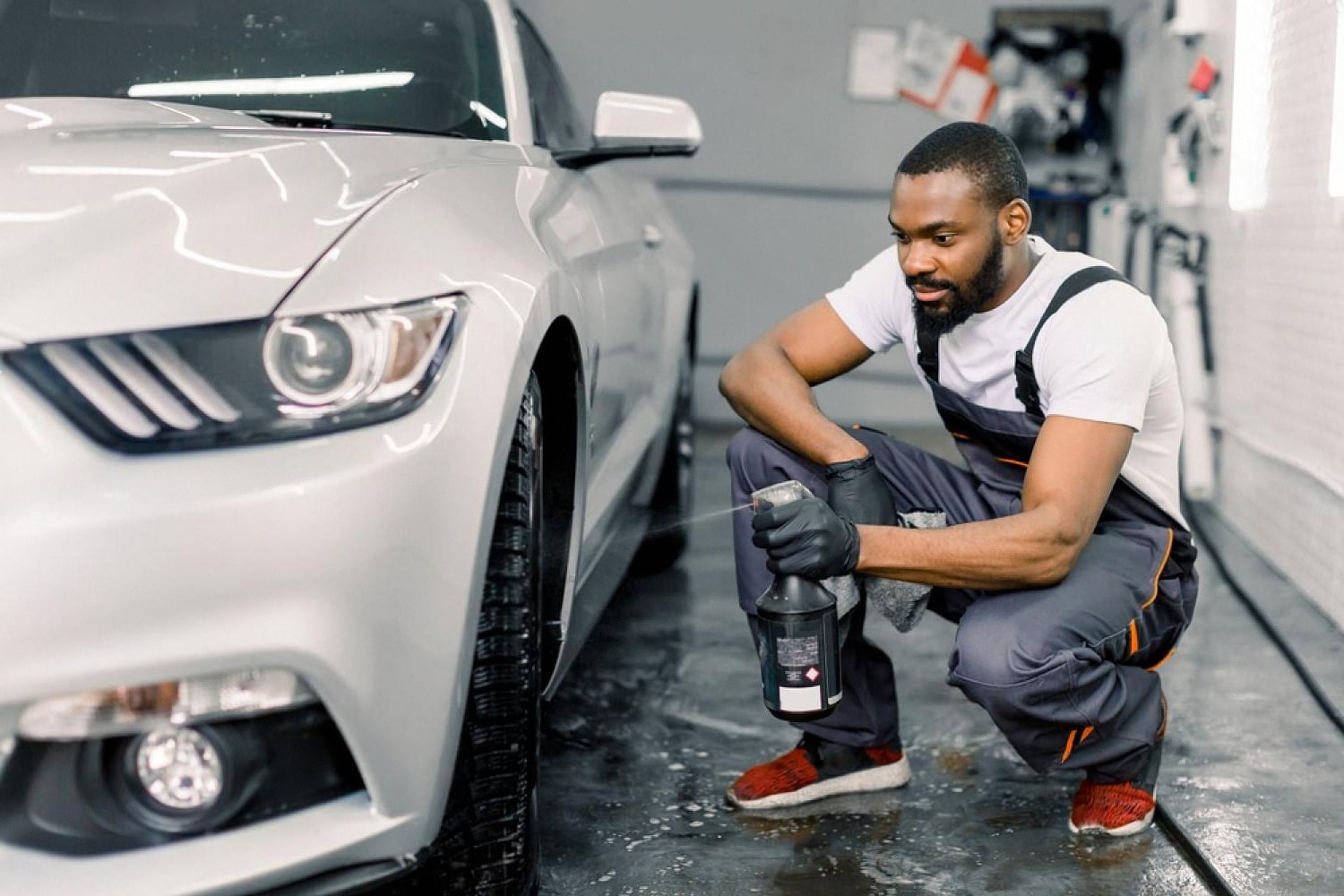
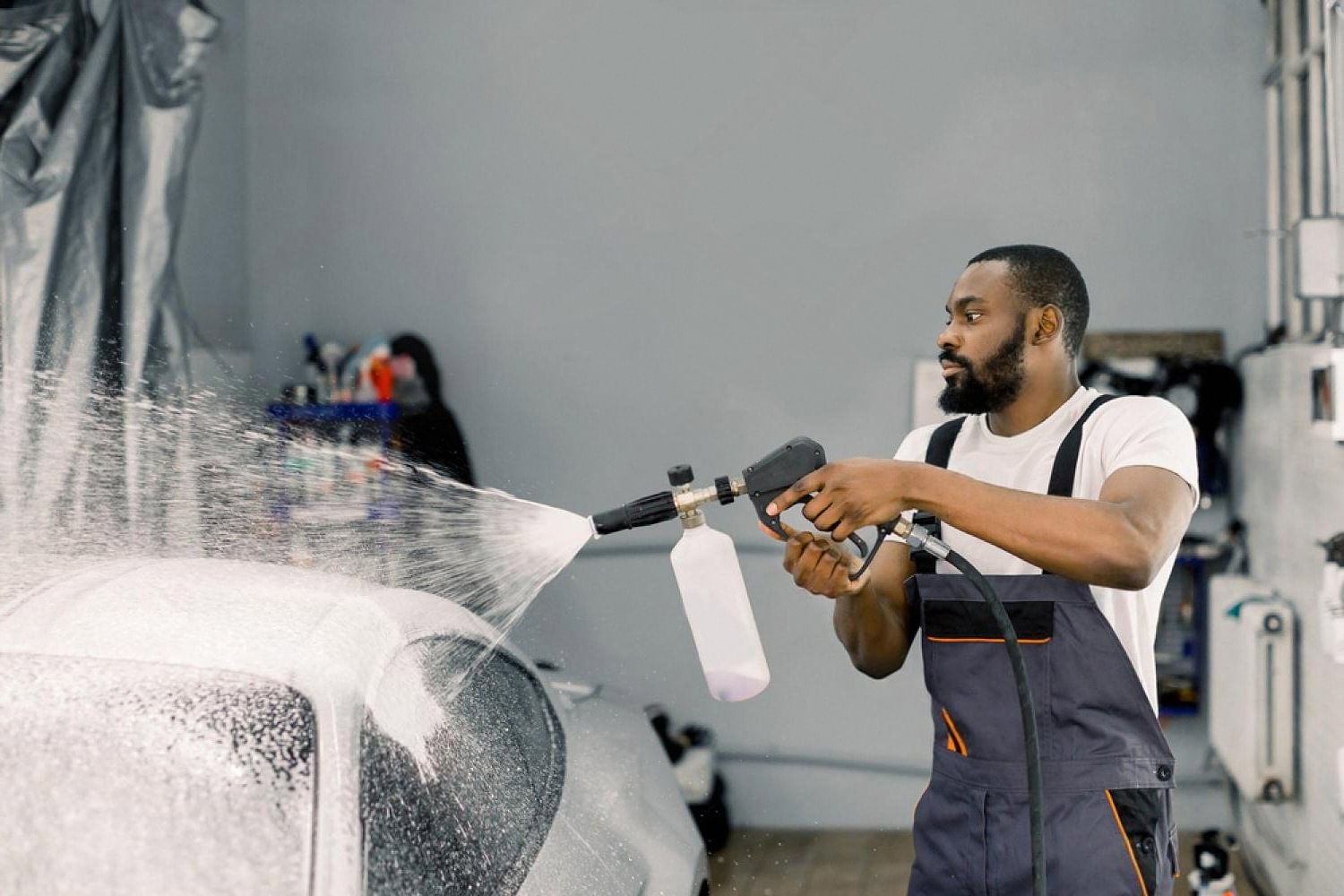
Detailing in the UAE is not a car wash with better shampoo. A proper session from a professional auto detailing company covers exterior decontamination, paint correction, ceramic or wax protection, wheel and tyre treatment, engine bay cleaning, and a deep interior clean that reaches vents, headliners and seat stitching. Add-ons like paint protection film, window tinting and rust proofing sit on the same menu.
- Exterior wash and decontamination. Removes bonded contaminants, iron particles and tar that regular washes leave behind.
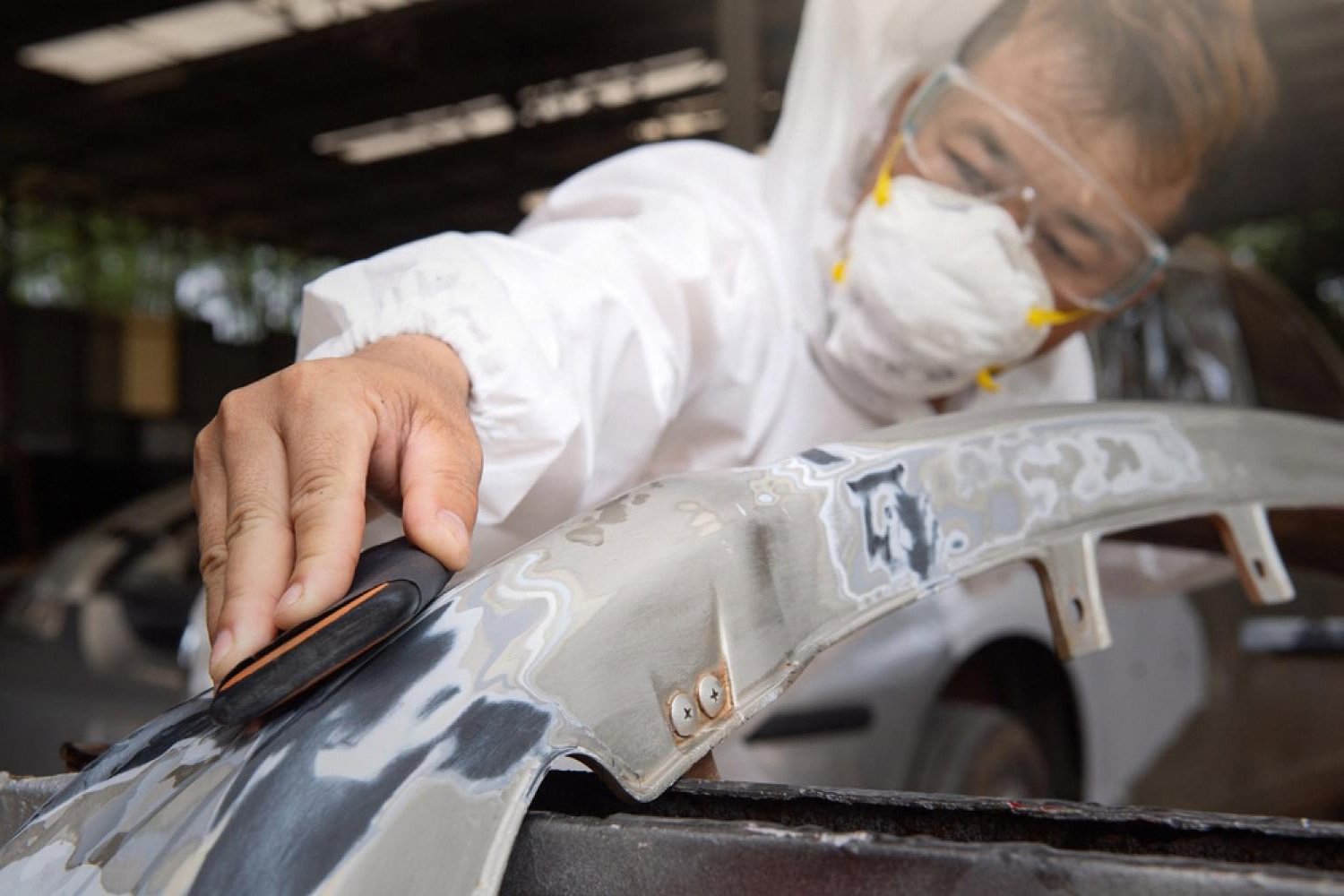
- Paint correction. Machine polishing that removes swirl marks and light scratches, restoring gloss and depth.
- Ceramic coating or wax. A sacrificial layer that takes UV damage, bird droppings and sand blast instead of your clear coat.
- Interior deep clean. Shampoo for carpets and seats, leather conditioning, and steam sanitisation of touch points.
- Engine bay and wheels. Clean, dressed surfaces that dealers use as a proxy for how well the car was maintained mechanically.
Why does this matter more in the UAE than in cooler markets? Three reasons: temperature, particulate load and salinity. Summer surface temperatures on a parked car in Dubai can push past 70 degrees Celsius. Fine desert sand acts like a mild abrasive every time you drive. Coastal humidity carries salt that accelerates corrosion on brake components and underbody parts. All three attack a car every day it sits outside without protection.
Depreciation, with and without care
Average five-year depreciation in the UAE runs 45 to 55 percent for mainstream models and 55 to 70 percent for luxury cars. That range is wide for a reason. Two identical Toyota Land Cruisers from the same year, same mileage, can trade AED 20,000 to 35,000 apart based on condition alone. The gap between the top of the range and the bottom is where detailing pays for itself.
Luxury sedans
A Mercedes E-Class or BMW 5 Series with clean paint, uncracked leather and documented care can hold 5 to 12 percent more value than a scruffy twin. On a car that started at AED 300,000, that is real money.
Family SUVs
Toyota Land Cruisers, Nissan Patrols and Prados are inspection-driven sales. Buyers here look at underbody, boot condition and third-row seats. A detailed cabin often closes the deal at asking price.
EVs and Teslas
Tesla resale in the UAE is sensitive to paint condition because the finish is famously thin. A protected, corrected Model 3 or Model Y sells noticeably faster than one with visible swirls.
Two cars, five years, one clear winner
Consider two BMW X5s bought new in 2020 at AED 350,000. Owner A washes at the petrol station, skips interior care, parks outside. Owner B books a quarterly detail, applies a ceramic coating in year one, and does a full detailing of the cabin once a year.
- Owner A spends roughly AED 2,500 over five years on ad-hoc washes. Trade-in offer in 2025: AED 118,000.
- Owner B spends roughly AED 8,500 over five years on detailing and coatings. Trade-in offer in 2025: AED 142,000.
- Net difference: AED 24,000 in the seller’s pocket, after subtracting the extra AED 6,000 spent on care.
The numbers are illustrative, but the pattern is not. Dealers in Al Aweer, Ras Al Khor and Sharjah’s used-car district all price cars against a mental checklist. Interior condition, paint gloss, wheel curbing and engine bay cleanliness carry more weight than most sellers realise.
Fleet vehicles: the same math at scale
Fleet operators in the UAE, whether ride-hailing, delivery, or corporate pools, feel this even harder. A fleet of 50 sedans that retains an extra 8 percent at resale generates hundreds of thousands of dirhams at cycle-end. Scheduled detailing also reduces interior wear complaints from drivers, extends fabric and leather life, and keeps vehicles presentable for customer-facing use. The maintenance record it produces is worth its own line item.
The inspection lens
What dealers actually score
- Paint quality: gloss, uniformity, absence of swirls and touch-ups
- Interior condition: odour, stains, dashboard cracks, seat wear
- Trim and plastics: faded bumpers and door handles knock value fast in UAE sun
- Wheels and tyres: curb rash and mismatched tyres are instant negotiation points
- Service and detailing records: a folder of invoices signals a careful owner
Professional detailing vs DIY
DIY has its place. A weekly rinse, a quick interior vacuum and a decent quick-detailer spray keep a car healthy between professional sessions. What DIY rarely delivers is safe paint correction, proper ceramic application, or the kind of interior extraction that lifts years of dust from carpet padding. The tools cost more than the service, and a bad polish job can permanently thin your clear coat.
For most UAE owners the sensible rhythm is a professional detail every three to four months, a DIY rinse in between, and a coating refresh once a year. Luxury and enthusiast owners often go further, adding paint protection film on the front end where sand impact is worst.
Beyond resale: performance and health
Detailing is not only a resale story. A clean radiator and condenser cool better in July traffic. Uncracked wiper rubber prevents micro-scratches across the windscreen. Cabin filter cleanliness and interior sanitisation matter for anyone with dust sensitivity, and dust is not optional in this region. The EPA and other public-health bodies have long flagged enclosed cabin air as a meaningful exposure route, and a car interior that is never deep-cleaned collects a lot more than crumbs.
A simple action list before your next sale
- Book a full detail 10 to 14 days before listing the car, not the day before, so the finish settles.
- Keep every detailing invoice with your service book. Buyers pay for proof, not promises.
- Address curb rash on alloys and cloudy headlights. Both are cheap fixes with outsized impact.
- Deep-clean the boot, spare wheel well and under the seats. Inspectors always look there.
- Refresh trim dressings and tyre shine on inspection day. First impressions set the opening offer.
- Photograph the car in soft morning light on a clean surface. Listing photos drive walk-ins.
Frequently asked questions
How often should I detail my car in the UAE?
For most owners, a professional detail every three to four months works well. The combination of heat, sand and coastal humidity means paint and interiors degrade faster here than in milder climates. If you park outside or drive daily on sandy routes, lean towards every three months. Garaged, low-mileage cars can stretch to twice a year, plus a coating refresh annually.
Does ceramic coating really protect resale value?
Yes, indirectly. A ceramic coating does not add value on its own, but it protects the clear coat from UV fade, water spotting and light scratches. Five years later, that translates into a paint finish that dealers grade higher during inspection. On luxury cars and Teslas, where paint condition weighs heavily, the difference at trade-in usually more than covers the initial cost.
Is DIY detailing enough, or do I need a professional?
DIY is fine for maintenance between sessions: rinses, vacuuming, dashboard wipes. Paint correction, ceramic application, interior extraction and engine bay cleaning are best left to professionals. The equipment cost, product knowledge and time required rarely make DIY cheaper once you add up polishers, pads and chemicals. A botched polish job can also thin the clear coat permanently.
Which cars gain the most resale value from regular detailing?
Luxury cars and EVs benefit most in percentage terms. Mercedes, BMW, Audi and Tesla resale is highly sensitive to paint and interior condition because buyers in that segment expect near-showroom presentation. Family SUVs like the Land Cruiser and Patrol benefit strongly in absolute terms because they trade at high prices and buyers scrutinise interior wear closely.
What is the average depreciation of a car in the UAE?
Mainstream cars lose about 45 to 55 percent of value over five years. Luxury models can lose 55 to 70 percent in the same period. Within those ranges, condition, mileage and service history swing the final number by 10 to 15 percent, which is where consistent detailing quietly pays off.
Do dealers really care about detailing records?
They do. A folder with detailing invoices, service records and any coating certificates signals an owner who took the car seriously. Dealers use that as a shortcut for expected condition of parts they cannot see. In practice, presenting a documented history often shifts the opening offer up by a few thousand dirhams, especially on used luxury and SUVs.
When should I schedule the detail before selling?
Roughly 10 to 14 days before listing. That gives coatings time to cure, dressings time to settle into a natural finish, and any interior shampooing time to fully dry. A car detailed the same morning can look slick in photos but smell strongly of product during viewings, which some buyers read as a cover-up.

“Some beautiful paths can’t be discovered without getting lost.”
― Erol Ozan